C
The Carnivore Codex

Chapter V

The defense chemistry of plants.

Plants cannot run. They cannot bite. They cannot scream. They evolved one weapon and one weapon only: chemistry. Every leaf, seed, and root is a synthesis lab producing compounds designed specifically to discourage, sicken, or kill the things that try to eat it. We are 'things that try to eat it.'

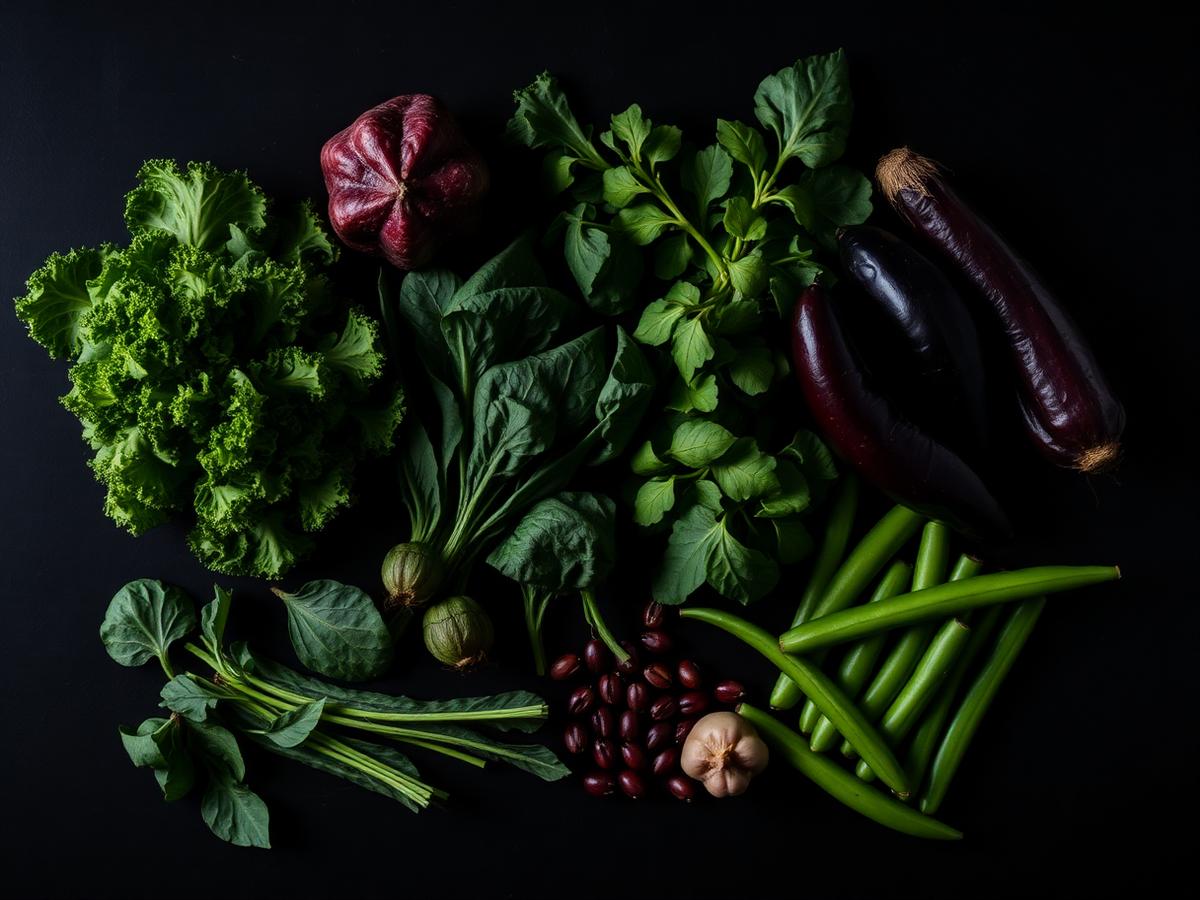
Vegetables on dark background

The premise

"Eat the rainbow" is marketing,
not biochemistry.

Plants did not evolve to nourish you. They evolved to reproduce. Their fruits exist to bribe animals into spreading their seeds; their leaves and roots exist to survive being eaten. The brighter the color, the more pungent the flavor, the more bitter the bite — the more defense chemistry it contains.

The Ten Worst Offenders

A reference catalog

01

Oxalates

Found in

Spinach, almonds, chocolate, sweet potato, beets, rhubarb, swiss chard

What it does

Bind to calcium and form sharp, insoluble crystals. Deposit in kidneys (stones), joints (pain), thyroid, brain, and connective tissue. Chronic exposure linked to vulvodynia, fibromyalgia, and recurrent UTIs.

02

Lectins

Found in

Beans, lentils, peanuts, cashews, wheat, tomato, eggplant, peppers

What it does

Bind to gut epithelial cells, increase intestinal permeability ('leaky gut'). Wheat germ agglutinin and phytohaemagglutinin in particular trigger immune cascades implicated in autoimmunity.

03

Phytates / Phytic Acid

Found in

Whole grains, legumes, nuts, seeds

What it does

Mineral chelator. Binds iron, zinc, calcium, magnesium in the gut and excretes them. The reason rice-and-bean cultures historically suffered widespread mineral deficiency.

04

Goitrogens

Found in

Broccoli, kale, cauliflower, brussels sprouts, soy, millet

What it does

Interfere with iodine uptake by the thyroid. Sustained high intake contributes to hypothyroidism and goiter. Especially problematic in iodine-deficient populations.

05

Glucosinolates

Found in

Cruciferous vegetables (broccoli, cabbage, kale, mustard greens)

What it does

Break down into isothiocyanates. Marketed as cancer-protective; in reality bind to thyroid peroxidase and disrupt hormone synthesis. The 'broccoli is medicine' narrative is mostly hopium.

06

Salicylates

Found in

Berries, peppers, tomatoes, citrus, herbs, spices

What it does

Natural plant analogues of aspirin. Trigger pseudo-allergic responses, hives, asthma, ADHD-like symptoms, and migraines in sensitive individuals. Often the missing diagnosis in 'mystery' chronic conditions.

07

Tannins

Found in

Tea, coffee, wine, unripe fruit, sorghum

What it does

Bind iron and other minerals. Inhibit digestive enzymes. Major contributor to iron-deficiency anemia in cultures with high tea consumption.

08

Alkaloids (Solanine, Capsaicin, etc.)

Found in

Nightshades: tomato, potato, eggplant, peppers, goji berries

What it does

Designed to paralyze and kill insects. In humans, contribute to joint pain, leaky gut, and inflammatory flares — especially in arthritis sufferers.

09

Glucosides & Cyanogens

Found in

Cassava, lima beans, bitter almonds, flaxseed, apple seeds

What it does

Release hydrogen cyanide on digestion. Improperly prepared cassava causes konzo, an irreversible paralytic disease. Even 'safe' levels accumulate.

10

Saponins

Found in

Quinoa, soy, legumes, oats

What it does

Soap-like compounds that punch holes in cell membranes — including those of red blood cells and the gut lining. Linked to leaky gut and autoimmune triggering.

"The dose makes the poison" — except cumulative low-dose exposure over decades is exactly how chronic disease works.

None of this means a single salad will harm you. It means the modern Western pattern of multiple daily plant servings — kale smoothies, almond butter, spinach salads, quinoa bowls — is a chemistry experiment with no control group.